
For all the girls in the natural hair world,we’re told braids are the go-to protective style—versatile, low-maintenance, a perfect way to let our hair thrive. Yet, a quick scroll through YouTube or TikTok also shows horror stories of broken edges, thinning hair, and itchy scalps.
So, which is true? Do braids protective or damage your hair? The clue is on your own—it's all about how you install, maintain, and remove them. Get it right, and braids can be a wonderful tool for hair health. Miss a few key steps, and they can quietly cause harm.
Ahead, we're breaking down the real reasons damage happens, sharing the non-negotiable rules for installation and care, and giving you a quick roadmap—from start to finish—to ensure your braids are truly protective.
The Hidden Reasons: How Braids Can Cause Damage
Let's be clear: a well-executed braid style is fantastic for hair health. It minimizes daily manipulation, seals in moisture, and guards your ends. However, damage quietly sets in when a few key practices are overlooked. So, what exactly are these make-or-break steps?
Wrong Installations:
Excessive Tension: This is the number one enemy. Braids that are too tight create constant pulling on the hair follicles. This can lead to traction alopecia, a gradual hair loss along the hairline and parts, often starting with those frustrating "baby hairs" disappearing for good.
Product Buildup on the Scalp: Caking on heavy gels, especially directly onto the scalp to lay down edges, blocks pores. This can cause intense itching, flaking, and even folliculitis (inflamed hair follicles).
Unsafe Hairstyles
Overweight hairstyles: Opting for extremely long or thick braids adds significant weight. This weight, combined with gravity, tugs at your roots 24/7, exacerbating tension.
High-Traction Hairstyles: Wearing tight high ponytails or updos for weeks pulls directly on the hair roots, adding constant tension to the scalp and potentially leading to similar hair and scalp issues.
Wrong Hair Care Routine
Skipping Washes: Not washing braids for weeks causes damage. Sweat, dirt, and natural oils build up, leading to a dehydrated scalp, odor, and a clogged, unhealthy environment for hair growth.
Wrong Hair Routine & Products: while hydration is essential, slathering on heavy, greasy oils or butters—especially directly on the scalp—can make the problem worse. These products often sit on top of the hair and scalp rather than being absorbed, leading to greasy, weighed-down hair and further contributing to clogged follicles.
Keeping Braids In Too Long
Keeping braids in for 10+ weeks might seem efficient, but the new growth at your roots can become severely tangled and matted. A duration of 6-8 weeks is generally recommended, especially if you have a sensitive scalp or fine hair.
Rough and Rushed Removal
Ripping braids out without properly detangling them first puts tremendous stress on your natural hair. This rough handling compromises the hair's strength, leading to breakage and unnecessary hair loss.
How to Keep Your Braids True Protective
The good news is that with mindful practices, you can enjoy all the benefits of braids without the pitfalls. Follow this blueprint for healthy braiding.
1. The Foundation: Smart Installation
Maintain Proper Tension: Whether done by a stylist or oneself,maintaining a soft, even tension throughout installation. The goal is to create a secure style without excessive force.
Be Gel-Savvy: If you must use edge control, make sure to apply it sparingly and only to the hair, avoiding direct contact with your scalp.
Using Human Braiding Hair:High-quality human braiding hair is typically lighter and softer than standard synthetic options. This reduces overall weight and tension on the scalp. It also tends to blend more seamlessly, allowing for a gentler, knotless installation method that minimizes root tension.
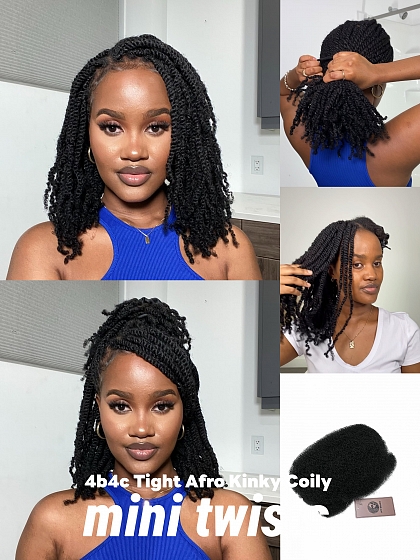
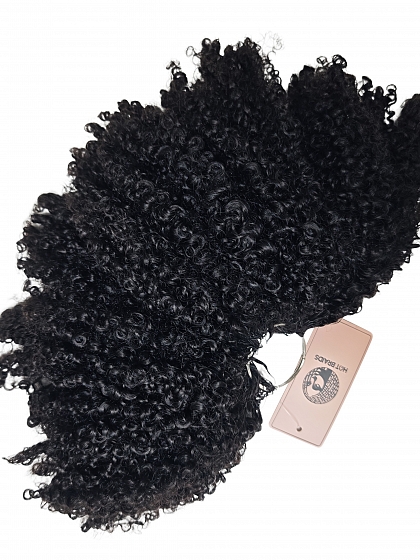
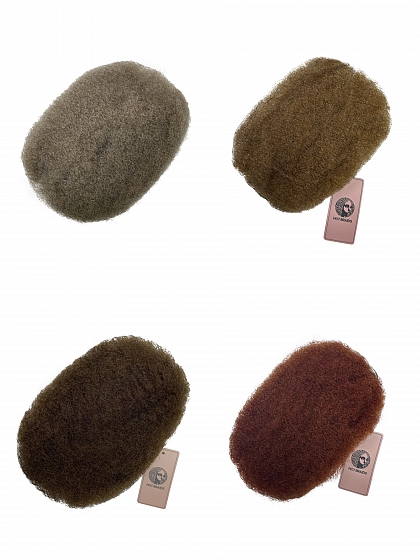
Choose a Manageable Size and Length:Select a braid style with length and thickness that matches your hair conditions. Excessively long or thick braids add significant weight, creating constant pulling on the roots and unnecessary scalp stress over time.
2. Maintenance: Care While You Wear
Regular Cleanse Your Scalp: Wash your scalp every 1-2 weeks. Use a diluted shampoo in a applicator bottle. Gently massage, rinse thoroughly, and dry completely—a blow-dryer on a cool setting works wonders.
Moisturize Strategically: Your scalp needs hydration. Spray it 2-3 times a week with a lightweight, water-based leave-in conditioner or a rosewater-glycerin mix. Avoid heavy creams that cause buildup.
Be Kind to Your Edges: Avoid constantly pulling your braids into tight high ponytails or buns. This puts extra stress on your most fragile hair. Opt for loose, low styles.
3. Removal & Recovery: The Grand Finale
How you take braids out is just as critical as how you put them in.
Set a Time Limit: For fine hair and sensitive scalp, do not wear any braided style for longer than 8 weeks. Mark your calendar.
Remove with Supreme Patience:
Soak each braid in a detangling conditioner or oil,leave for 2 hours or overnight.
Gently unravel with your fingers or a rat-tail comb, working from the tip upward.
Once free, detangle your natural hair under a thick conditioner with a wide-tooth comb.
Give Your Scalp A Rest: After removal, your hair must breath and recover. Take a minimum of 2-4 weeks to pamper your hair with deep conditioners, gentle styles, and no added tension. This break is essential for long-term health.
Final Thoughts
So, do braids damage your hair and scalp? They can, but they absolutely don't have to. Braids are a tool to style your hair. Like any tool, their effectiveness depends on the skill and knowledge of the user.
The difference between damage and protection lies in the details: gentle hands during installation, a consistent cleansing routine, mindful styling, and respecting your hair's need for rest. By adopting the practices outlined above, you can transform braids from a potential risk into a powerful strategy for achieving stronger, longer, and healthier natural hair.
Listen to your scalp—it's your best guide. Discomfort is a warning sign, not something to endure. Empower yourself with this knowledge for your next braid appointment, and wear your style with confidence and health.


 Lost in-transit